02 / DOCUMENT INTELLIGENCE
Find the answer. See the source.
We build document intelligence around the files your team already works with: contracts, records, reports and procedures. Start with a defined collection, ask useful questions, and keep the source close enough to check.
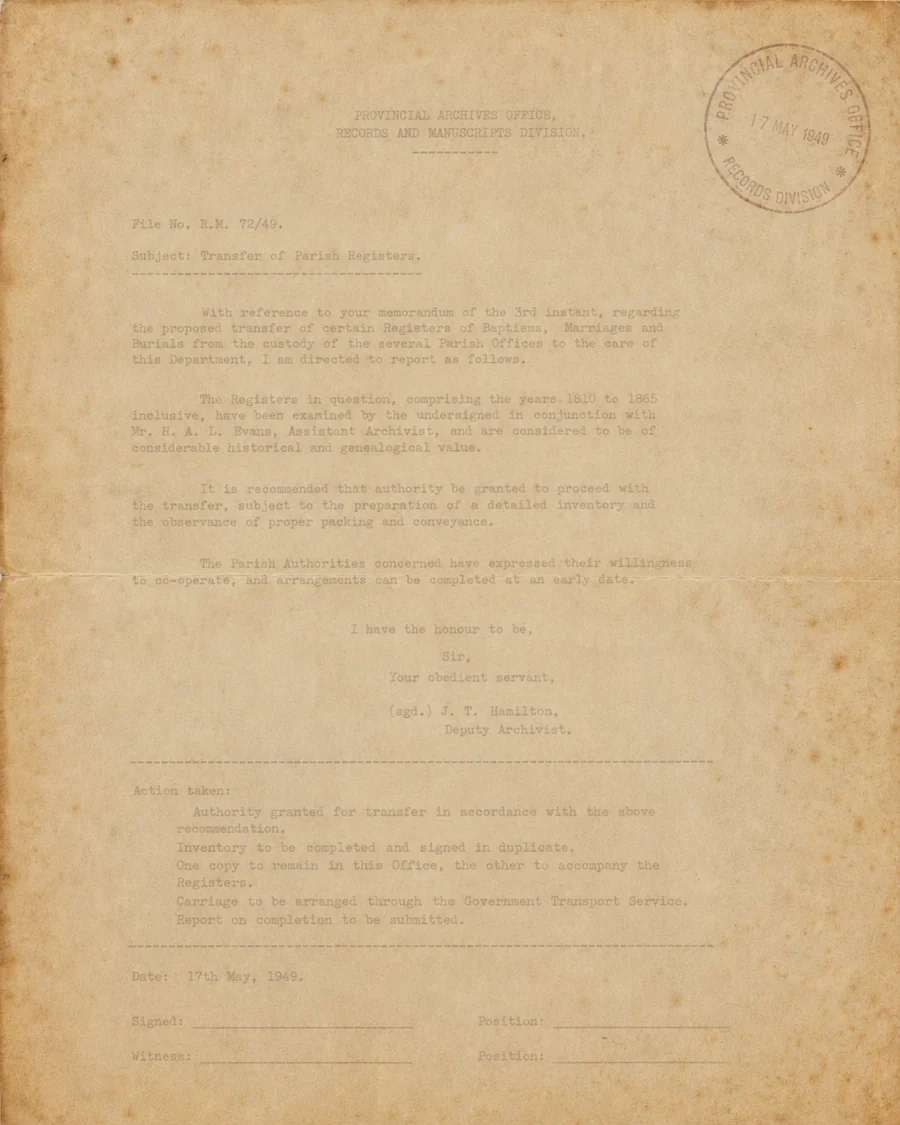
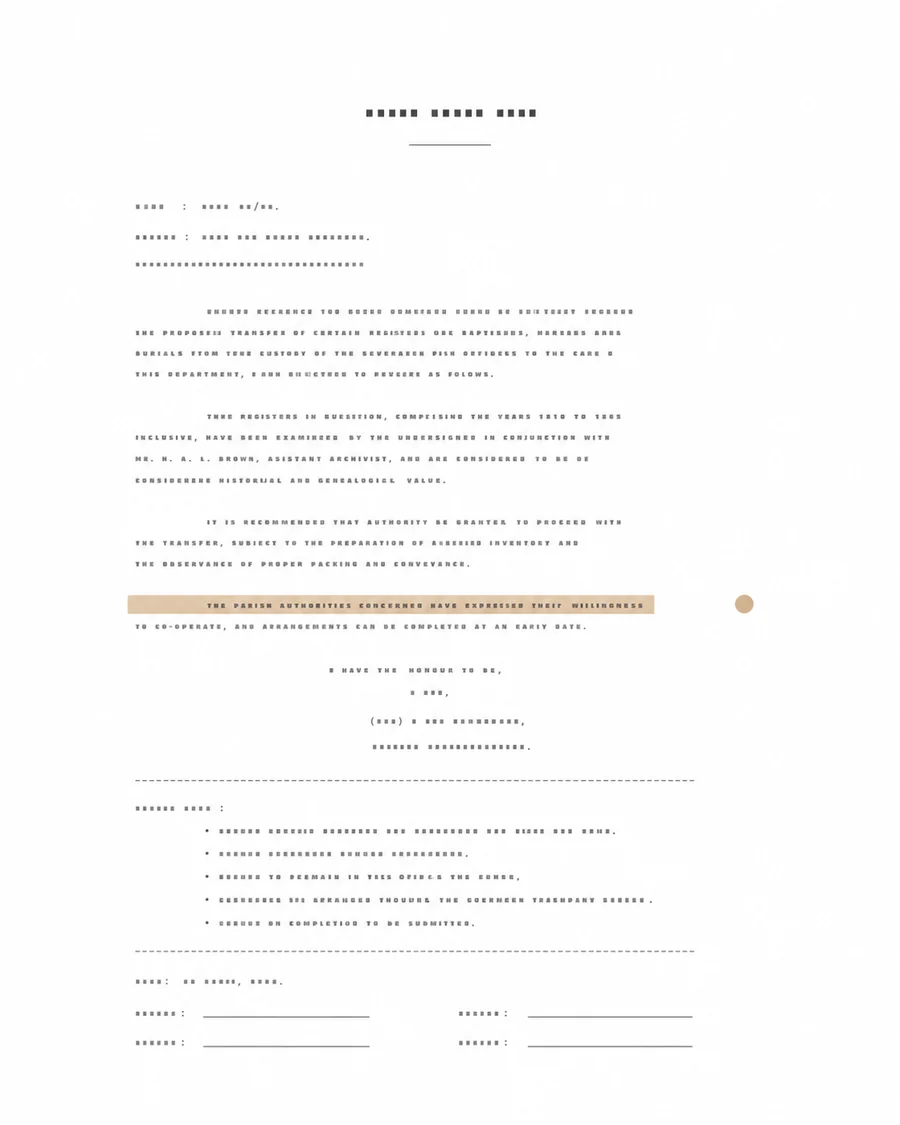
The file exists. Finding it is the work.
A folder can hold years of useful information and still be difficult to use during a call or a review. We start by understanding which documents matter, who should be able to see them and which questions your team needs answered.
Make the result easy to inspect.
A source-linked answer gives the reviewer a way back to the underlying document. We scope extraction, search and summaries around the formats in your sample set. If a scan is unreadable or the source does not support an answer, the workflow needs a review path.
Organize incoming files before the pile grows.
Classification can help separate document types and route them to the right queue. A useful workflow also identifies exceptions: an incomplete form, a missing page, or a file that does not match an expected category. Those cases belong with a person.
Draft from the record, then review.
A summary or report should make existing material easier to review. It does not replace the source, a professional opinion or the person responsible for the final document. We define the fields, source references and approval step before building the workflow.
Example workflow
- 1
Select
Choose a bounded collection and representative files.
- 2
Extract
Check readable content, document type and missing fields.
- 3
Retrieve
Find supporting passages for an allowed question.
- 4
Review
Show the source and route unsupported answers to a person.
Decide what the phone is allowed to know.
Document search and voice intake can be connected where the project calls for it. Public questions and private records need different rules. Access to a document does not automatically mean an agent should disclose it to a caller; identity and permissions must be designed first.
Check out our blogs about document intelligence.
See moreQuestions before you start
We review representative files during scoping. PDFs, scanned documents and office files may need different extraction steps; the accepted formats and limits belong in the project scope.
No. A source reference helps a person check the answer. Extraction and interpretation can still be wrong, especially in poor scans or conflicting documents.
This service supports finding and reviewing information. Professional judgments stay with the qualified people responsible for them.
Only through a deliberately scoped access and identity workflow. Private document search must not become unrestricted caller access.
Data use and vendor restrictions must be stated in the engagement agreement. A separate training project requires its own agreed scope and rights; ask us to review these terms before uploading sensitive material.
Bring us one real workflow.
Tell us what happens today, what gets missed and which tools your team uses. We will discuss a sensible starting scope.